
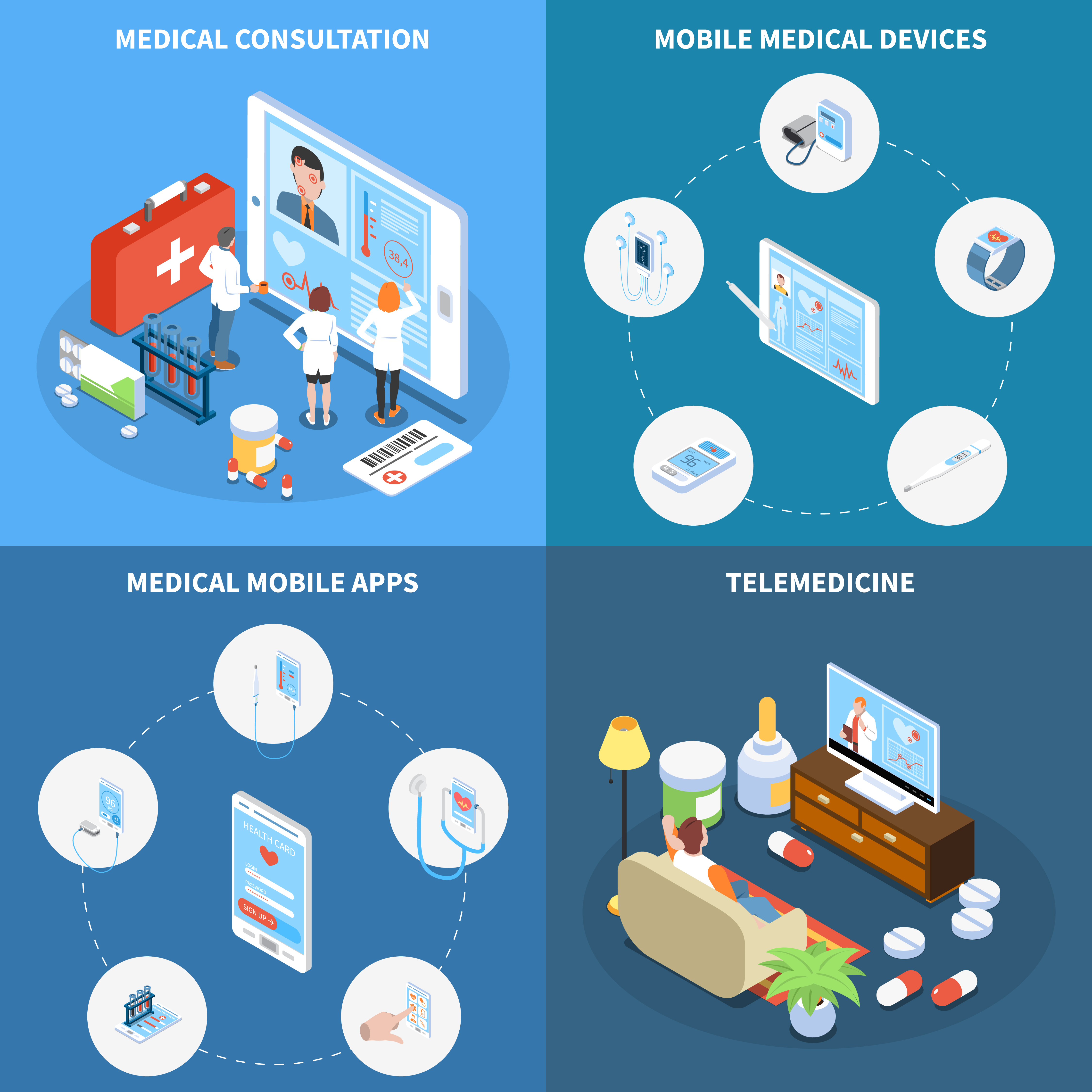
Traditional home health care has its limitations, including limited communication and lack of real-time data. In this article, we will explore the pain points of traditional home health care and how IoT technology can offer a more comprehensive and effective solution. We will also discuss what a solution looks like and how it can benefit both patients and caregivers.
Traditional home health care has been around for decades, but it has its limitations. Patients may feel isolated and lack access to real-time data that can help them manage their conditions effectively. Additionally, caregivers may struggle to communicate with patients and provide timely care. IoT technology can help address these pain points and offer a more comprehensive and effective solution.
One of the main pain points of traditional home health care is limited communication between patients and caregivers. Patients may feel isolated and lack access to the support they need to manage their conditions effectively. IoT technology can help facilitate communication between patients and caregivers, offering patients access to support whenever they need it. For example, medical devices at home can track a patient’s vital signs and send alerts to caregivers if there are any changes. This allows caregivers to respond quickly to changes in a patient’s condition and provide timely care.
Another pain point of traditional home health care is the lack of real-time data. Without real-time data, caregivers may struggle to provide effective care and make informed decisions about a patient’s treatment. IoT technology can provide real-time data that can help caregivers monitor a patient’s condition and adjust their treatment plan accordingly. For example, IoT devices can track a patient’s medication adherence, which can help caregivers ensure that patients are taking their medication as prescribed.
A solution to these pain points might include a combination of devices and a centralized platform for collecting and analyzing data. They can track a patient’s vital signs and activity levels, while a centralized platform can collect and analyze this data in real-time. Caregivers can access this data through a dashboard, which allows them to monitor a patient’s condition and respond quickly to changes.
IoT technology can also benefit patients by providing them with greater autonomy and control over their care. Patients and their family members can access data through an app, which allows them to track the progress and manage the condition more effectively. This can lead to greater patient engagement and better outcomes.
In conclusion, traditional home health care has its limitations, but IoT technology can offer a more comprehensive and effective solution. By facilitating communication between patients and caregivers, providing real-time data, and empowering patients with greater control over their care, IoT technology can improve the quality of care for patients and alleviate some of the burdens for caregivers. As the healthcare industry continues to embrace IoT technology, it is likely that we will see more innovative solutions to address the pain points of traditional home health care.
Leave a ReplyCancel reply