
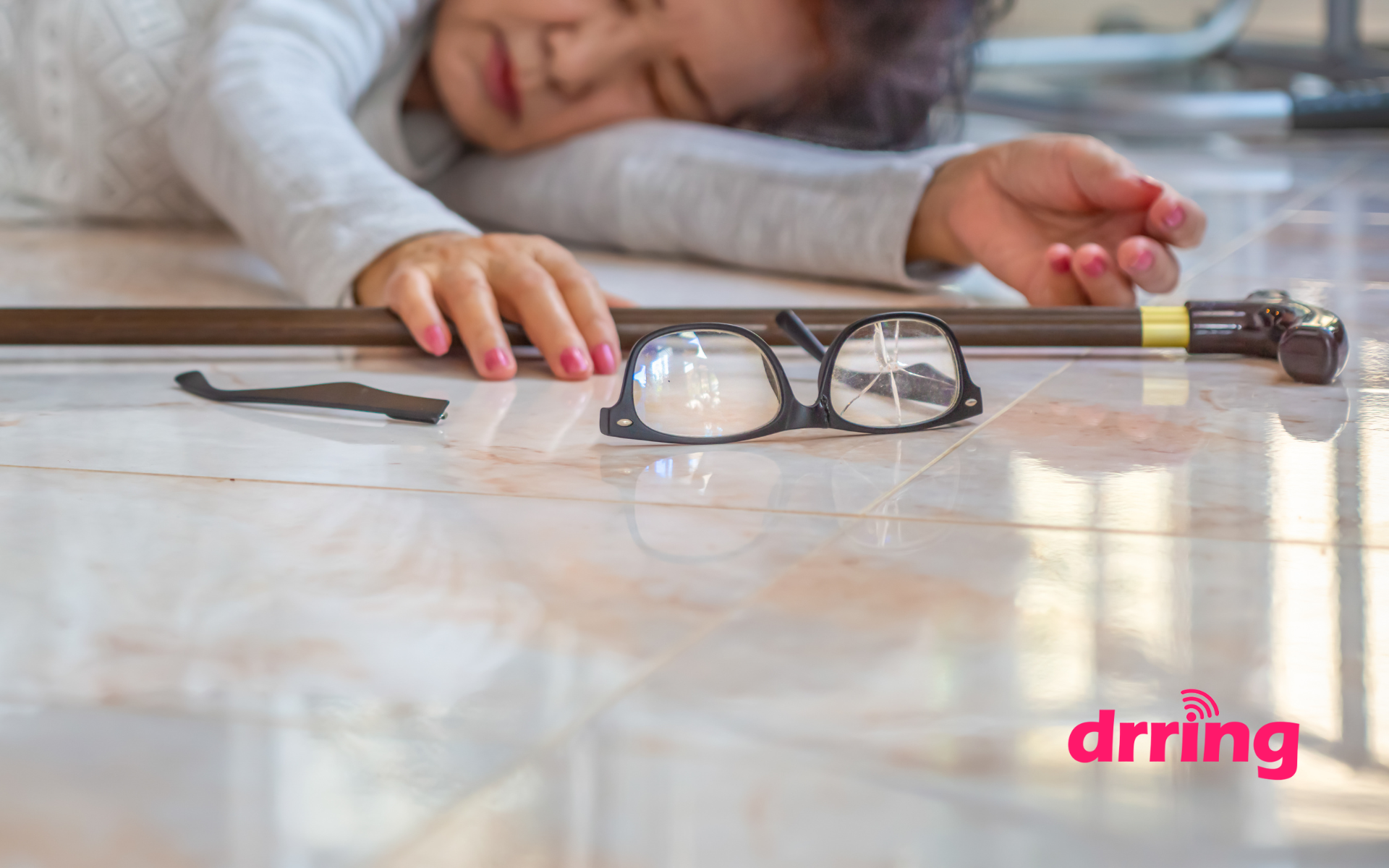
As we age, the risk of falls becomes a concern, especially for our beloved seniors. Falls can lead to severe injuries and have a significant impact on their overall well-being. However, by taking preventive measures and creating a safe environment, we can greatly reduce the risk of falls and help our loved ones maintain their independence. In this blog, we will discuss essential tips for preventing falls in seniors, providing you with practical strategies to ensure their safety and well-being.
- Promote Regular Exercise:
Regular exercise plays a crucial role in maintaining strength, balance, and flexibility, which are essential for preventing falls. Encourage your loved ones to engage in exercises that focus on improving stability and coordination, such as walking, tai chi, or yoga. Consult with their healthcare provider to develop a suitable exercise routine that fits their abilities and medical condition. - Conduct Home Safety Assessments:
Conducting a thorough home safety assessment is vital to identify potential hazards that can contribute to falls. Remove any clutter, ensure walkways are clear, and secure loose rugs or carpets. Install handrails in key areas, such as staircases and bathrooms, and consider using non-slip mats in the shower or bathtub. Adequate lighting throughout the house is also essential to improve visibility and prevent accidents. - Use Assistive Devices:
Depending on their needs, consider providing your loved ones with assistive devices that can enhance their safety and mobility. These may include walking aids like canes or walkers, grab bars for the bathroom, or raised toilet seats. It’s crucial to ensure that these devices are properly fitted and regularly maintained for optimal effectiveness. - Medication Management:
Some medications can have side effects like dizziness or drowsiness, which can increase the risk of falls. Review your loved ones’ medications with their healthcare provider or pharmacist to identify any potential risks. Ensure they follow the prescribed dosage and schedule, and encourage regular medication reviews to minimize the risk of adverse effects. - Regular Vision and Hearing Check-ups:
Impaired vision and hearing can significantly impact balance and coordination. Schedule regular vision and hearing check-ups to detect any issues early on. Encourage the use of appropriate eyewear and hearing aids to improve their sensory abilities and reduce the risk of falls. - Encourage Healthy Lifestyle Habits:
Maintaining a healthy lifestyle can contribute to overall well-being and fall prevention. Encourage your loved ones to eat a nutritious diet, stay hydrated, and maintain a healthy weight. Additionally, promote good sleep habits to ensure they are well-rested and alert during the day. - Stay Mindful of Fall Risks Outside the Home:
While it’s essential to create a safe home environment, it’s equally important to be mindful of fall risks outside the home. Encourage your loved ones to wear appropriate footwear with good traction, be cautious of uneven surfaces or obstacles when walking outdoors, and consider using walking aids or supportive devices when necessary. - Stay Connected and Engaged:
Loneliness and social isolation can contribute to a higher risk of falls. Encourage your loved ones to stay connected with friends, family, or community groups. Engaging in social activities and hobbies can improve their mental and physical well-being, providing a sense of fulfillment and reducing the risk of falls due to decreased activity levels.
Conclusion:
Preventing falls in seniors requires a comprehensive approach that includes physical, environmental, and lifestyle considerations. By promoting regular exercise, conducting home safety assessments, using assistive devices, managing medications, prioritizing regular vision and hearing check-ups, encouraging healthy lifestyle habits, being mindful of fall risks outside the home, and fostering social connections, we can significantly reduce the risk of falls and help our loved ones stay safe and independent. By taking proactive measures
Leave a Reply