
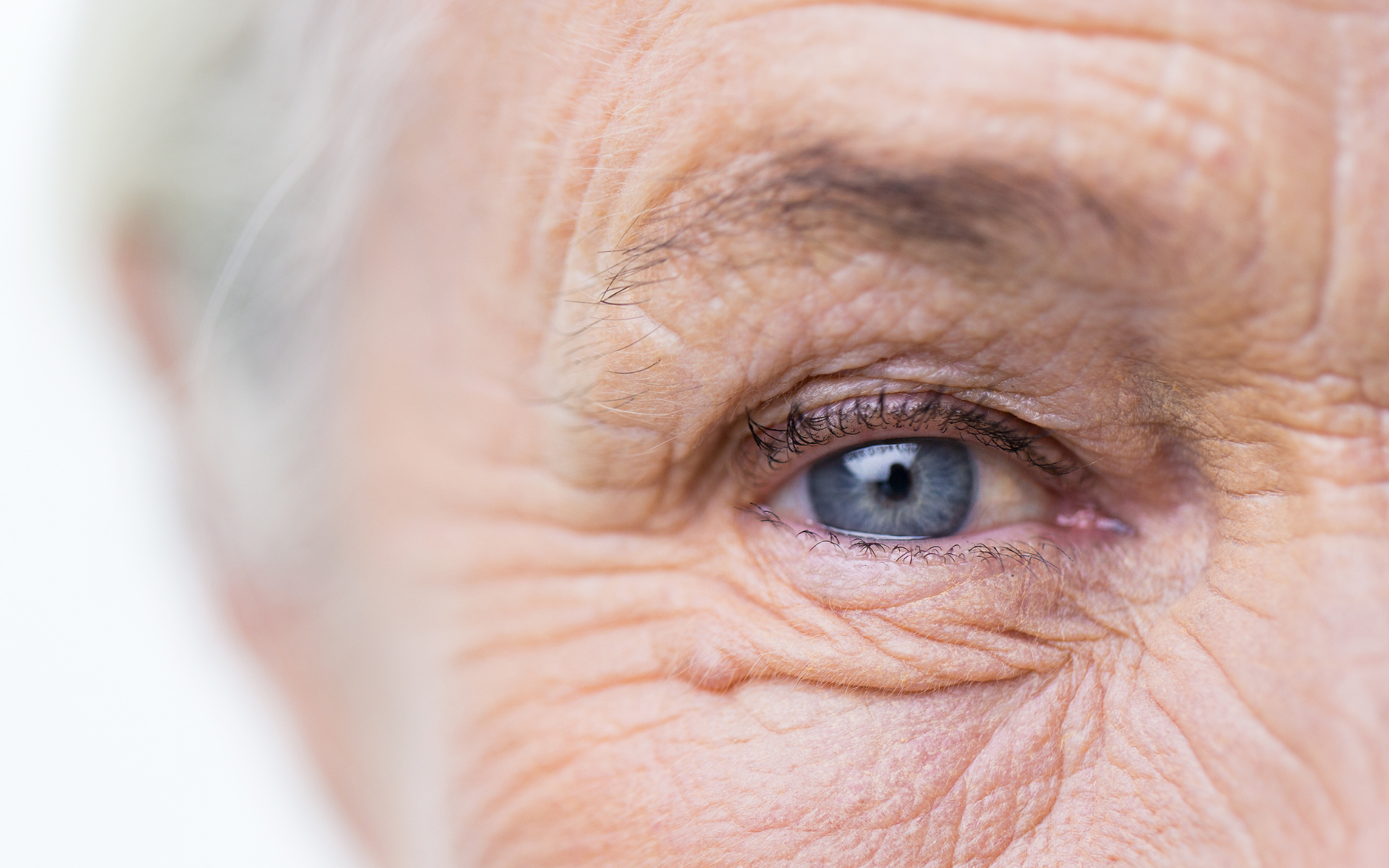
As we age, our eyes undergo various changes that can affect our vision. Seniors are particularly vulnerable to eye conditions such as age-related macular degeneration, cataracts, and glaucoma. However, with proper eye care, seniors can maintain good vision and reduce their risk of developing eye problems. In this blog, we will explore eye health for seniors, including the common eye conditions that affect seniors, tips for maintaining good eye health, and warning signs to look out for.
Common Eye Conditions in Seniors
- Age-Related Macular Degeneration (AMD)
AMD is a condition that affects the macula, which is the part of the eye responsible for central vision. It is a leading cause of vision loss among seniors. AMD can be divided into two types: dry AMD and wet AMD. Dry AMD is more common and progresses slowly, while wet AMD progresses quickly and can cause severe vision loss.
- Cataracts
Cataracts are a common eye condition that affects seniors. They occur when the lens of the eye becomes cloudy, causing vision to become blurry or hazy. Cataracts can be treated with surgery.
- Glaucoma
Glaucoma is a condition that affects the optic nerve and can cause vision loss. It is often caused by high pressure in the eye, and early detection and treatment are crucial in preventing vision loss.
Tips for Maintaining Good Eye Health in Seniors
- Regular Eye Exams
Seniors should have regular eye exams with an eye care professional. Eye exams can detect eye problems early on and help prevent vision loss.
- Quit Smoking
Smoking is a risk factor for several eye conditions, including AMD and cataracts. Seniors who smoke should quit to reduce their risk of developing these conditions.
- Wear Sunglasses
Sunglasses can protect the eyes from harmful UV rays, which can cause cataracts and other eye problems. Seniors should wear sunglasses with 100% UV protection when spending time outdoors.
- Maintain a Healthy Diet
A healthy diet rich in fruits and vegetables can help maintain good eye health. Seniors should eat foods that are high in vitamins A, C, and E, as well as omega-3 fatty acids.
- Exercise Regularly
Regular exercise can help maintain good eye health by improving blood circulation and reducing the risk of eye problems. Seniors should aim to exercise for at least 30 minutes a day, five days a week.
- Manage Chronic Health Conditions
Chronic health conditions such as diabetes and hypertension can affect eye health. Seniors with these conditions should work with their healthcare provider to manage them effectively.
Warning Signs to Look Out For
Seniors should be aware of the warning signs of eye problems and seek medical attention if they experience any of the following:
- Blurry or distorted vision
- Loss of peripheral vision
- Double vision
- Sensitivity to light
- Difficulty seeing at night
- Flashes of light or floaters
- Redness or swelling in the eye
- Eye pain or discomfort
In conclusion, maintaining good eye health is essential for seniors to maintain their quality of life. Seniors should have regular eye exams, quit smoking, wear sunglasses, maintain a healthy diet and exercise regularly, manage chronic health conditions, and be aware of warning signs of eye problems. By following these tips, seniors can maintain good vision and reduce their risk of developing eye problems.
Leave a Reply