
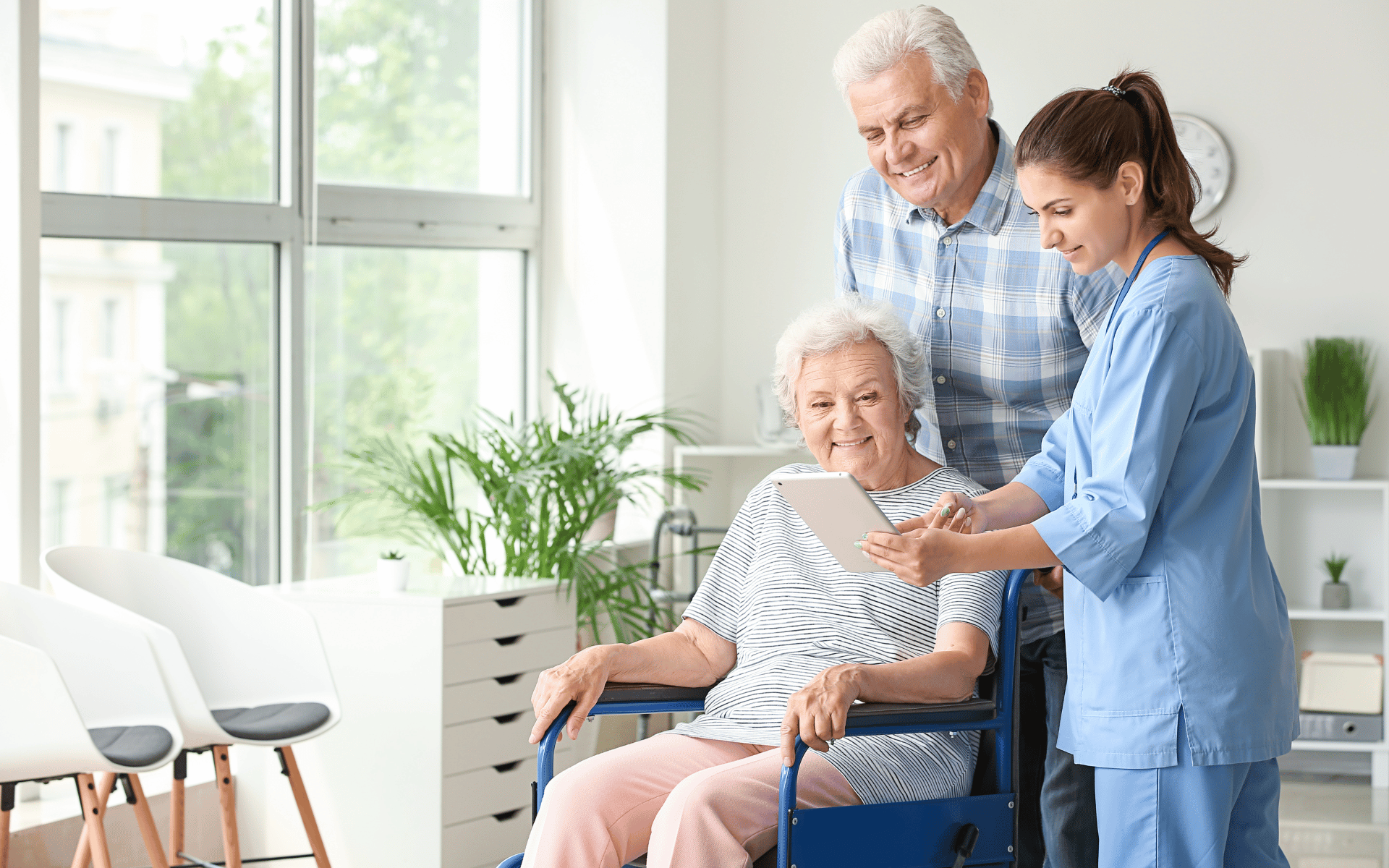
As individuals age or face health challenges, maintaining independence and mobility becomes crucial for their overall well-being. Fortunately, advancements in medical technology have led to the development of various home health equipment and assistive devices that empower individuals to continue living comfortably and independently within their homes. In this blog, we will explore the wide range of home health equipment and assistive devices available, highlighting their significance in enhancing mobility, promoting independence, and improving the quality of life for individuals in need of care.
- Mobility Aids
Mobility aids play a pivotal role in assisting individuals with movement challenges to navigate their surroundings safely. These devices offer increased mobility and reduce the risk of falls. Some popular mobility aids include:
- Wheelchairs and Scooters: Manual and electric wheelchairs as well as mobility scooters provide those with limited mobility the freedom to move around indoors and outdoors.
- Walkers and Rollators: These devices offer stability and support for individuals who may have difficulty walking unaided. Rollators are equipped with wheels for added convenience.
- Canes and Crutches: Canes and crutches provide balance and support, helping individuals maintain stability while walking.
- Assistive Devices for Daily Living
Assistive devices are designed to make daily tasks more manageable, allowing individuals to maintain their independence and perform essential activities with greater ease. Some examples include:
- Reaching Aids: These devices extend an individual’s reach, enabling them to grasp objects from higher shelves or lower surfaces without straining.
- Grab Bars and Railings: Installed in bathrooms and hallways, these aids offer support and stability, reducing the risk of slips and falls.
- Adaptive Utensils: Specially designed utensils with ergonomic handles assist individuals with limited hand dexterity in eating independently.
- Home Monitoring Systems
Home monitoring systems utilize IoT technology to provide remote monitoring and safety for individuals living alone. These systems can include:
- Fall Detection Sensors: Smart sensors that detect falls and automatically send alerts to caregivers or emergency services.
- Medical Alert Systems: Pendant or wrist-worn devices that allow users to call for help in case of an emergency.
- Home Medical Equipment
Home medical equipment enables individuals to manage their health conditions and receive necessary treatments within the comfort of their homes. Examples include:
- Oxygen Concentrators: For individuals with respiratory conditions, these devices provide a continuous supply of oxygen.
- Home Dialysis Machines: Individuals with kidney disease can undergo dialysis treatments at home, eliminating the need for frequent hospital visits.
- Continuous Positive Airway Pressure (CPAP) Machines: Used to treat sleep apnea, CPAP machines help individuals breathe more easily during sleep.
Conclusion
Home health equipment and assistive devices have transformed the way individuals with health challenges or limited mobility experience their daily lives. By offering increased mobility, safety, and independence, these technologies contribute to improved well-being and a higher quality of life. As the field of medical technology continues to evolve, the availability and sophistication of home health equipment and assistive devices will only increase, providing individuals with more options to age gracefully and comfortably in their own homes.
Leave a ReplyCancel reply