
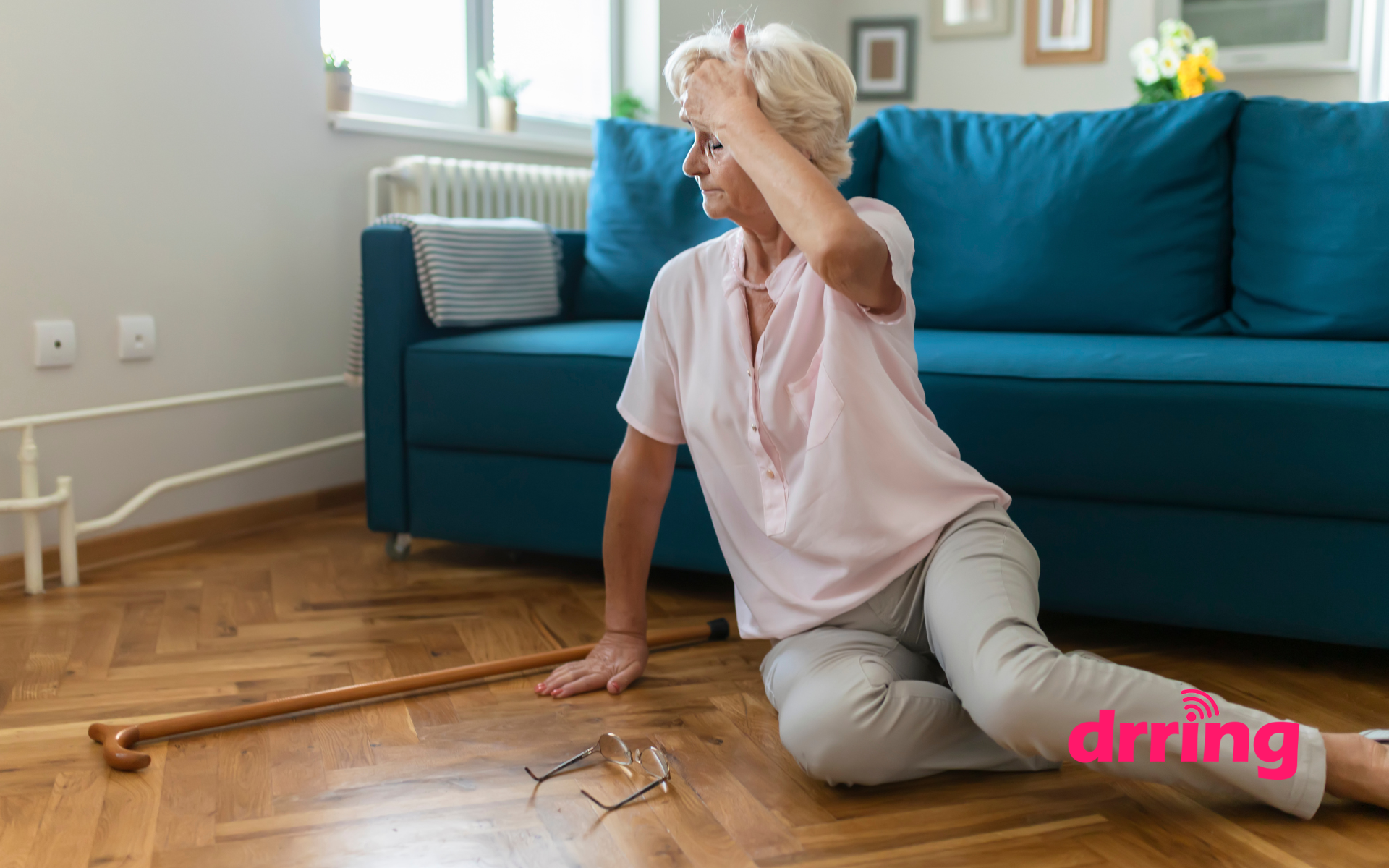
As we age, our risk of falling increases, which can have serious consequences for our health and independence. However, by taking proactive steps to prevent falls and promote safety, seniors can reduce their risk and maintain their well-being. In this blog, we will explore practical tips to help seniors prevent falls and create a safe environment. By following these tips, seniors can continue to live an active and independent lifestyle with confidence.
- Stay physically active: Regular exercise is essential for maintaining strength, balance, and flexibility. Engage in activities such as walking, tai chi, or gentle stretching exercises to improve muscle tone and stability. Consult with a healthcare professional to develop a safe exercise routine tailored to your abilities and needs.
- Remove tripping hazards: Take a close look at your living space and remove any potential tripping hazards. Secure loose rugs or carpets with non-slip pads or remove them altogether. Ensure that walkways are clear of clutter, wires, or any other obstacles that may pose a risk. Pay special attention to high-traffic areas such as hallways and entrances.
- Improve lighting: Inadequate lighting can make it difficult to navigate safely, especially at night. Install bright, energy-efficient bulbs in rooms, hallways, and staircases. Use nightlights in bedrooms and bathrooms to provide illumination during nighttime. Consider adding motion-activated lights to ensure visibility when moving around the house.
- Install handrails and grab bars: Installing handrails along staircases and grab bars in bathrooms can provide crucial support and stability. These safety features can assist seniors in maintaining balance while navigating potentially hazardous areas. Ensure they are securely mounted and at the appropriate height for easy reach.
- Wear appropriate footwear: Choose supportive footwear with non-slip soles that fit well and provide stability. Avoid wearing loose-fitting shoes or slippers that can increase the risk of tripping. Opt for shoes with good arch support and a firm grip to help maintain balance and reduce the likelihood of falls.
- Use assistive devices: Consider using assistive devices to enhance safety and mobility. Canes, walkers, or mobility scooters can provide stability and support while moving around. Consult with a healthcare professional to determine the most suitable device based on your specific needs.
- Regular vision and hearing check-ups: Schedule regular eye and hearing examinations to ensure optimal sensory function. Vision and hearing impairments can affect balance and increase the risk of falls. Corrective measures such as eyeglasses, hearing aids, or other interventions can significantly improve safety and reduce the likelihood of accidents.
- Keep emergency contacts handy: Have emergency contact numbers readily available in case of an accident or fall. Keep a list of important numbers near the telephone or programmed into a mobile phone for quick access. Inform family members, friends, or neighbors about your situation and create a support network for immediate assistance if needed.
Conclusion: By implementing these practical tips, seniors can take proactive measures to prevent falls and promote safety in their daily lives. Creating a safe living environment, staying physically active, removing tripping hazards, and utilizing assistive devices are key strategies for reducing the risk of falls. Remember to consult with healthcare professionals for personalized recommendations and always prioritize your safety and well-being. With these precautions in place, seniors can enjoy a more secure and independent lifestyle.
Leave a ReplyCancel reply