
As we age, our risk for certain health conditions and diseases increases. Regular health screenings can help catch potential issues early, allowing for early intervention and better outcomes. In this blog post, we’ll cover some of the most important health screenings for seniors, as well as what you can expect during the screening process.
Why are Health Screenings Important for Seniors?
Health screenings are an important part of preventive healthcare. By detecting potential health issues early, seniors can receive early intervention and treatment, which can help prevent serious complications down the line. Health screenings can also help seniors and their doctors identify risk factors for certain conditions and make lifestyle changes to reduce those risks.
Important Health Screenings for Seniors
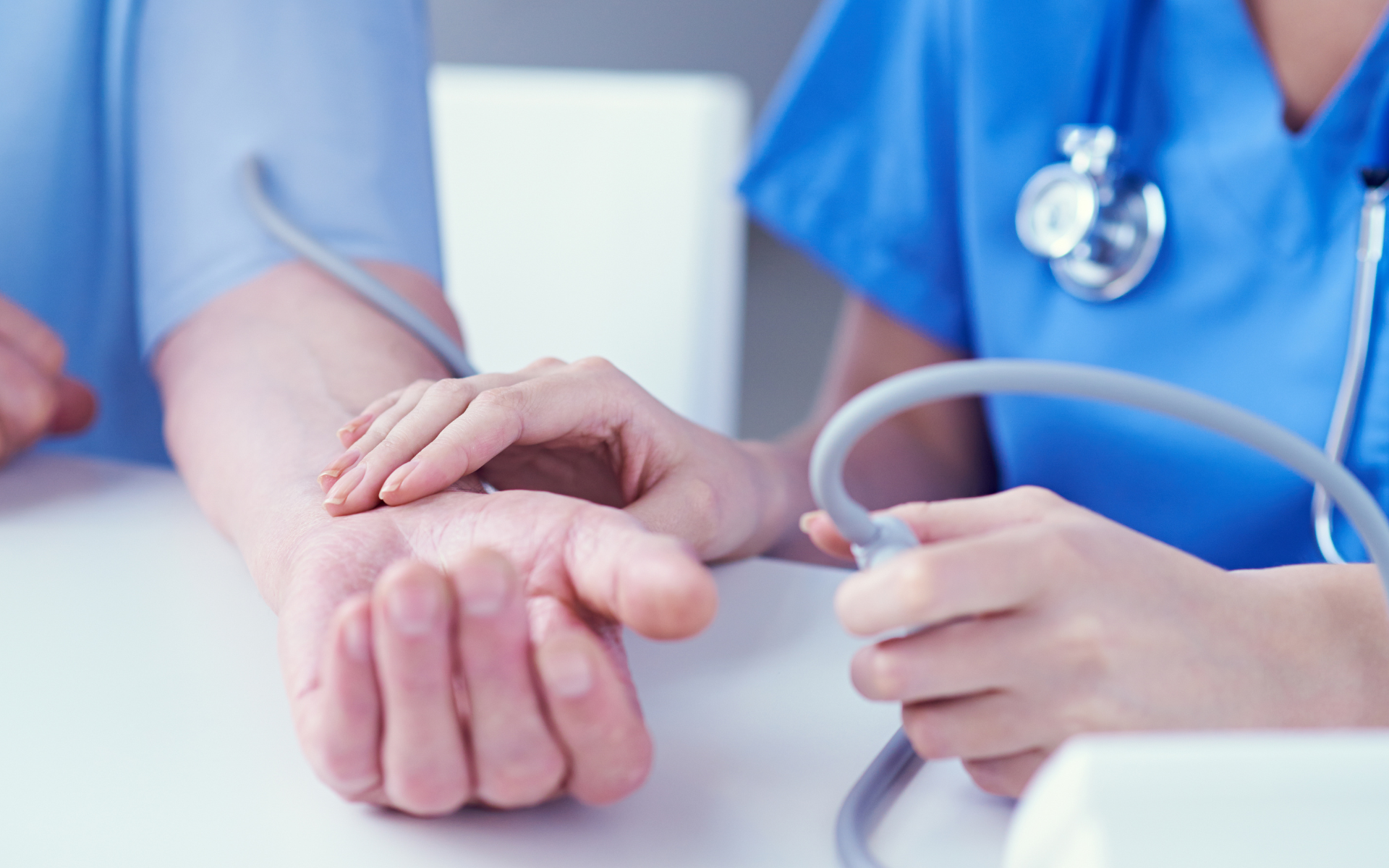
- Blood pressure: High blood pressure is a common condition among seniors and can lead to serious health issues such as stroke and heart attack. The American Heart Association recommends that seniors have their blood pressure checked at least once a year.
- Cholesterol: High cholesterol is a risk factor for heart disease and stroke. Seniors should have their cholesterol levels checked regularly, with the frequency depending on their individual risk factors.
- Diabetes: Diabetes is a common condition among seniors and can lead to serious complications such as nerve damage and blindness. Seniors should have their blood glucose levels checked regularly, especially if they have a family history of diabetes or are overweight.
- Colon cancer: Colon cancer is the third most common cancer in both men and women in the United States. Seniors should have a colonoscopy or other screening test for colon cancer starting at age 50, or earlier if they have a family history of the disease.
- Breast cancer: Women should have a mammogram every one to two years starting at age 50, or earlier if they have a family history of breast cancer.
- Prostate cancer: Men should have a prostate exam and PSA blood test starting at age 50, or earlier if they have a family history of prostate cancer.
- Vision and hearing: Seniors should have their vision and hearing checked regularly, as these senses can deteriorate with age. Vision screenings should include tests for glaucoma and cataracts.
What to Expect During a Health Screening
The specifics of a health screening will depend on the type of screening being performed. However, there are a few general things you can expect during most health screenings:
- Medical history: Your doctor will likely ask you about your medical history, including any chronic conditions, medications you’re taking, and any family history of disease.
- Physical exam: Your doctor will perform a physical exam, which may include measuring your height and weight, taking your blood pressure and heart rate, and listening to your heart and lungs.
- Blood tests: Depending on the screening, your doctor may order blood tests to check your cholesterol levels, blood glucose levels, or other factors.
- Screening test: For some screenings, such as colonoscopies or mammograms, you may need to undergo a specific screening test.
- Follow-up: If any potential issues are identified during the screening, your doctor will discuss next steps with you, which may include further testing or treatment.
Conclusion
Health screenings are an important part of preventive healthcare for seniors. Regular screenings can help catch potential health issues early and reduce the risk of serious complications down the line. By understanding which screenings are important and what to expect during the screening process, seniors can take an active role in their healthcare and maintain optimal health as they age.
Leave a ReplyCancel reply