
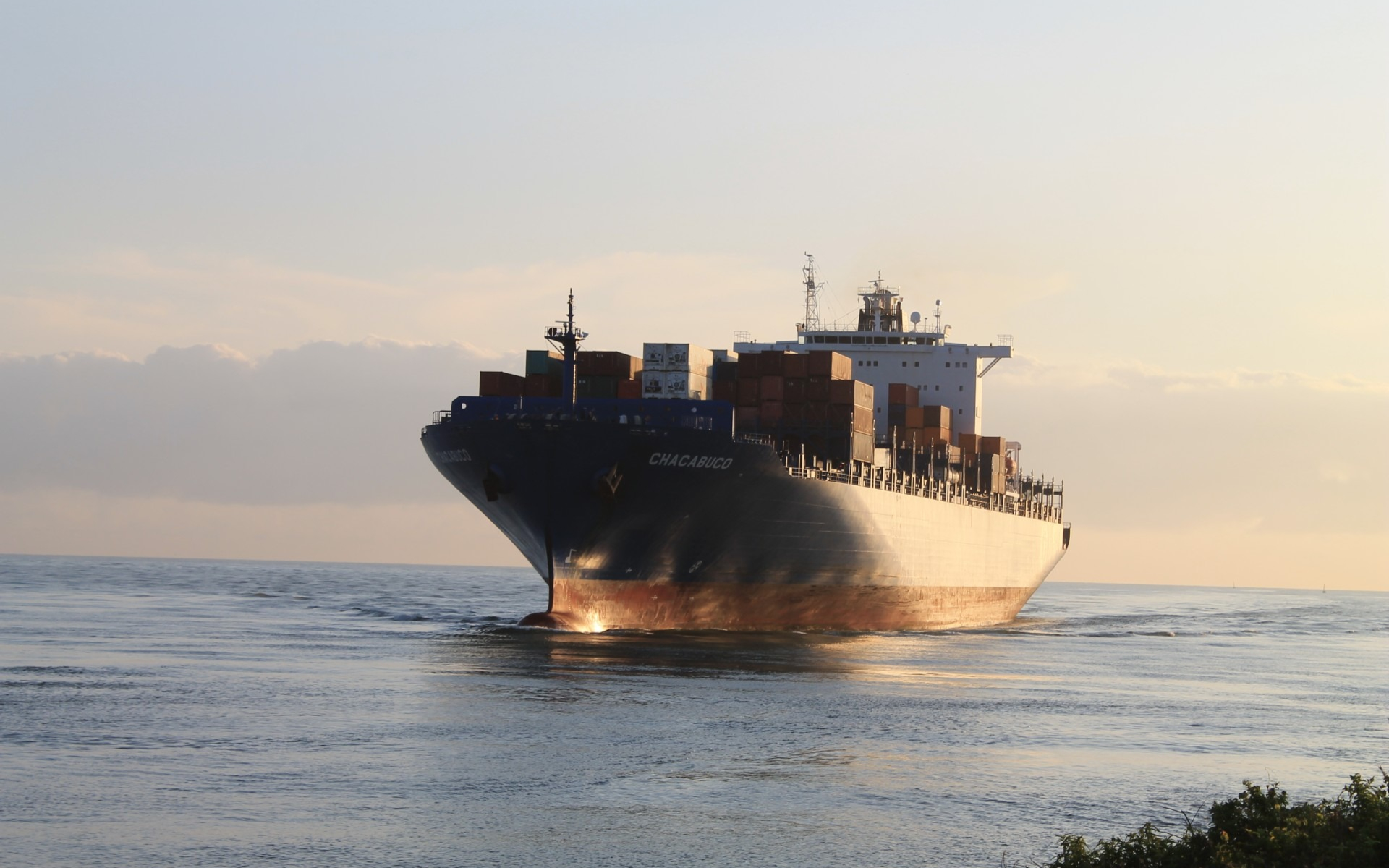
When sailing the vast oceans, seafarers encounter numerous challenges that can impact their health and well-being. Among these challenges, maintaining proper hydration is crucial for ensuring optimal physical and mental performance during maritime journeys. Adequate water intake is essential for every individual, but it becomes even more critical for those living and working on ships. In this blog, we will explore the significance of staying hydrated at sea and provide valuable tips for seafarers to ensure they maintain optimal hydration levels throughout their voyage.
The Importance of Hydration at Sea:
Staying hydrated is not just a matter of personal comfort; it plays a vital role in promoting overall health and well-being, especially for seafarers. Proper hydration affects various bodily functions, including temperature regulation, nutrient transportation, and waste elimination. On ships, where the environment can be physically demanding and challenging, maintaining adequate hydration is key to performing essential tasks and staying alert and focused.
Challenges to Hydration on Ships:
Seafarers face unique challenges when it comes to staying hydrated. Long hours of work, exposure to heat and sun, limited access to fresh water, and the physically demanding nature of maritime duties can contribute to dehydration. Additionally, seasickness and the reluctance to use restroom facilities due to limited privacy can further affect water intake. It is crucial for seafarers to be aware of these challenges and take proactive steps to ensure they stay hydrated.
Tips for Staying Hydrated:
- Drink Water Frequently: Carry a refillable water bottle and sip water throughout the day, even if you don’t feel thirsty. Set reminders to drink water regularly, especially during breaks from duty.
- Monitor Urine Color: Check the color of your urine regularly; pale yellow indicates good hydration, while dark yellow or amber may signal dehydration.
- Limit Caffeine and Alcohol: While it may be tempting to reach for caffeinated or alcoholic beverages, they can contribute to dehydration. Consume these drinks in moderation and balance them with water intake.
- Eat Hydrating Foods: Include fruits and vegetables with high water content, such as watermelon, cucumber, oranges, and lettuce, in your meals to boost hydration.
- Know Your Water Sources: Familiarize yourself with available water sources on the ship and make sure to use safe and clean water for drinking and cooking.
- Stay Cool: During hot weather, take breaks in shaded areas and wear appropriate clothing to prevent excessive sweating and fluid loss.
- Educate Crew Members: Promote awareness about the importance of hydration among your fellow crew members. Encourage a culture of support and remind each other to drink water regularly.
Leave a ReplyCancel reply