
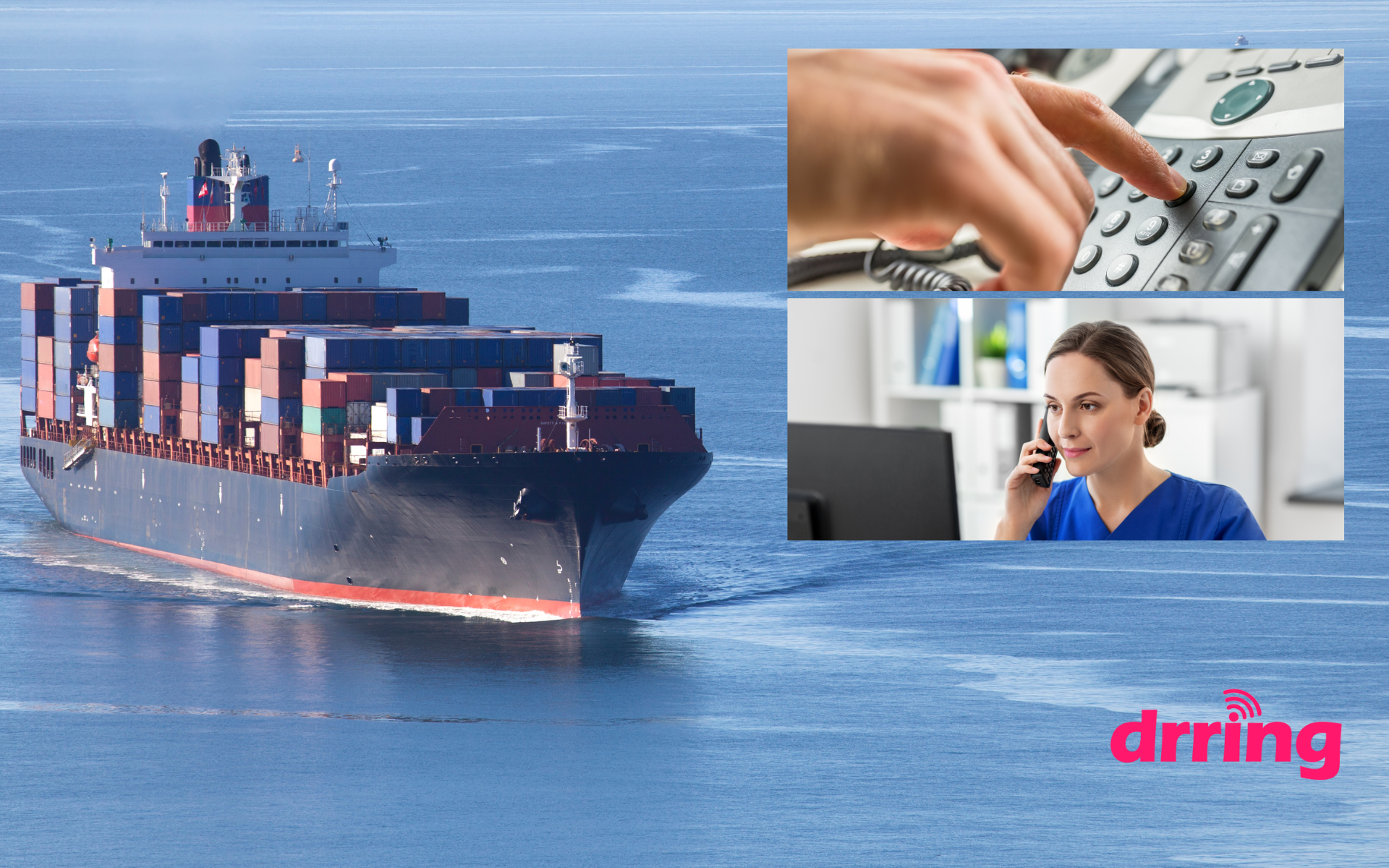
In the vast expanses of the ocean, ships and vessels traverse remote areas far from the reach of traditional healthcare facilities. The challenges posed by distance, limited resources, and the need for immediate medical assistance in maritime emergencies call for innovative solutions.
Telemedicine, the remote provision of healthcare services through technology, is emerging as a game-changer in bridging the healthcare gap in remote maritime areas. In this blog, we will explore how telemedicine is revolutionizing maritime healthcare, connecting ships to medical expertise and improving the well-being of crew members and passengers at sea.
- Overcoming Geographical Barriers: Remote maritime areas present unique challenges for accessing timely healthcare services. Telemedicine breaks down geographical barriers by enabling ships to connect with medical professionals ashore in real-time. Through secure video or audio calls, medical experts can remotely assess and provide guidance on various medical conditions, offering immediate support and minimizing the need for evacuation or lengthy travels to onshore medical facilities.
- Swift Emergency Response: Medical emergencies can occur onboard ships without warning, necessitating quick and accurate medical interventions. Telemedicine allows for rapid emergency response by facilitating immediate communication between onboard medical personnel and medical experts ashore. Real-time consultations enable remote experts to assess the situation, provide guidance on emergency treatments, and help stabilize patients until they can reach a port with appropriate medical facilities.
- Continuity of Care: In long-duration voyages, the continuity of care is essential to manage chronic conditions and provide follow-up care for crew members and passengers. Telemedicine ensures a seamless flow of medical information and enables ongoing consultations with healthcare professionals. Patients can share updates on their health status, receive medication adjustments, and have their questions answered, all without the need to interrupt their journey or wait for the next port visit.
- Medical Training and Support: Telemedicine offers an opportunity for continuous training and support for onboard medical personnel. Through virtual sessions, medical experts can provide guidance on emergency protocols, train crew members in basic medical procedures, and update them on the latest medical advancements. This ongoing training enhances the capabilities of onboard medical staff, empowering them to provide better care and improve the overall healthcare services onboard.
- Cost-Effective Healthcare Delivery: Bringing onboard medical emergencies to onshore healthcare facilities can be logistically challenging and financially burdensome. Telemedicine reduces costs by minimizing unnecessary evacuations and optimizing resource utilization. By remotely connecting ships to medical professionals, telemedicine helps determine when evacuation is truly necessary, ensuring that valuable resources are reserved for critical cases. This cost-effective approach benefits ship operators, insurance providers, and ultimately, crew members and passengers.
Conclusion: Telemedicine is revolutionizing maritime healthcare by bridging the gap in remote areas and connecting ships to medical expertise worldwide. By leveraging technology, telemedicine enables immediate access to medical advice, swift emergency response, continuity of care, training and support for onboard medical staff, and cost-effective healthcare delivery. The integration of telemedicine systems onboard ships enhances the safety, well-being, and overall healthcare experience for crew members and passengers, ensuring that medical assistance is just a call away, even in the most isolated maritime locations.
Leave a ReplyCancel reply