
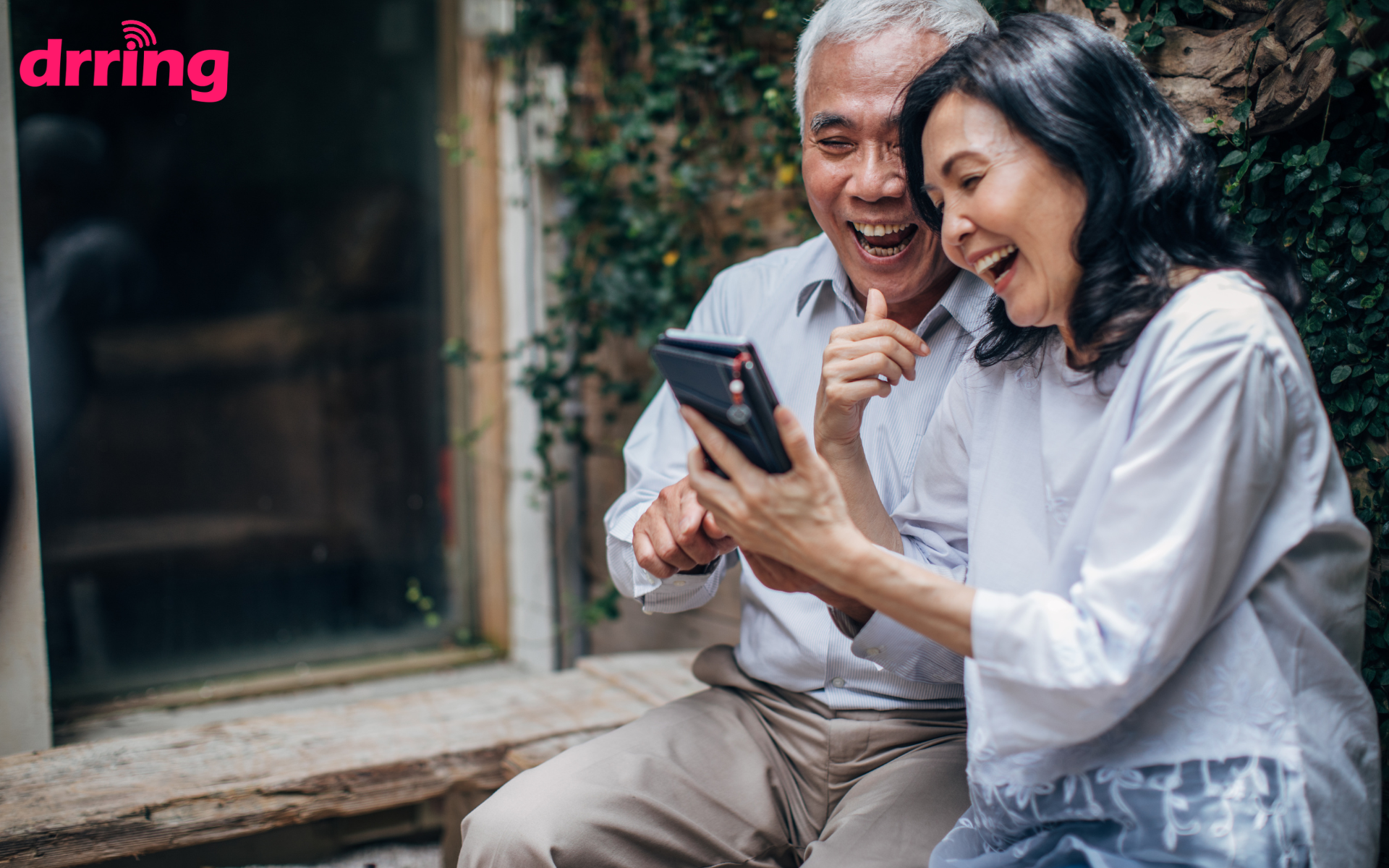
As we age, social interaction becomes increasingly important for maintaining both physical and mental health. Unfortunately, many seniors may experience social isolation and loneliness, which can lead to negative health outcomes such as depression, cognitive decline, and even a shortened lifespan. In this blog, we will explore the benefits of social interaction for seniors, and provide tips for staying connected and engaged.
Benefits of Social Interaction for Seniors
- Improved Mental Health: Studies have shown that social isolation and loneliness can have negative effects on mental health, including an increased risk of depression and anxiety. Social interaction, on the other hand, can have a positive impact on mental health, including improved mood and self-esteem.
- Enhanced Cognitive Function: Social engagement can also have a positive impact on cognitive function, including memory, attention, and problem-solving abilities. This is because social interactions require the use of different cognitive processes, such as communication, active listening, and social problem-solving.
- Better Physical Health: Social interaction can also have a positive impact on physical health, including a reduced risk of chronic conditions such as heart disease, diabetes, and high blood pressure. This is in part because social interaction can help reduce stress levels, which can contribute to the development of these conditions.
- Increased Lifespan: Studies have shown that social isolation and loneliness can contribute to a shorter lifespan. On the other hand, social interaction can help promote a longer and healthier life.
Tips for Staying Connected and Engaged
- Join Social Clubs and Groups: Many communities offer social clubs and groups specifically for seniors. This can include book clubs, knitting groups, or even exercise classes. Joining these groups can be a great way to meet new people and engage in activities that you enjoy.
- Volunteer: Volunteering can be a great way to not only give back to your community, but also to stay connected and engaged with others. Consider volunteering at a local charity, hospital, or community center.
- Participate in Community Events: Many communities offer events such as concerts, festivals, and fairs. These events can be a great way to socialize with others and enjoy new experiences.
- Use Technology to Stay Connected: Technology can be a great tool for staying connected with loved ones who may not live nearby. Consider using video chat apps or social media to keep in touch with friends and family members.
- Take Up a New Hobby: Taking up a new hobby, such as painting or gardening, can be a great way to stay engaged and meet new people with similar interests.
- Attend Senior Centers and Programs: Many communities offer senior centers and programs that are specifically designed to promote social interaction and engagement. These programs may include exercise classes, arts and crafts, and social events.
In conclusion, social interaction is crucial for maintaining both physical and mental health in seniors. By staying connected and engaged, seniors can experience a variety of benefits, including improved mental health, enhanced cognitive function, better physical health, and even a longer lifespan. By following the tips provided, seniors can stay socially active and reap the rewards of a rich and fulfilling social life.
Leave a Reply