
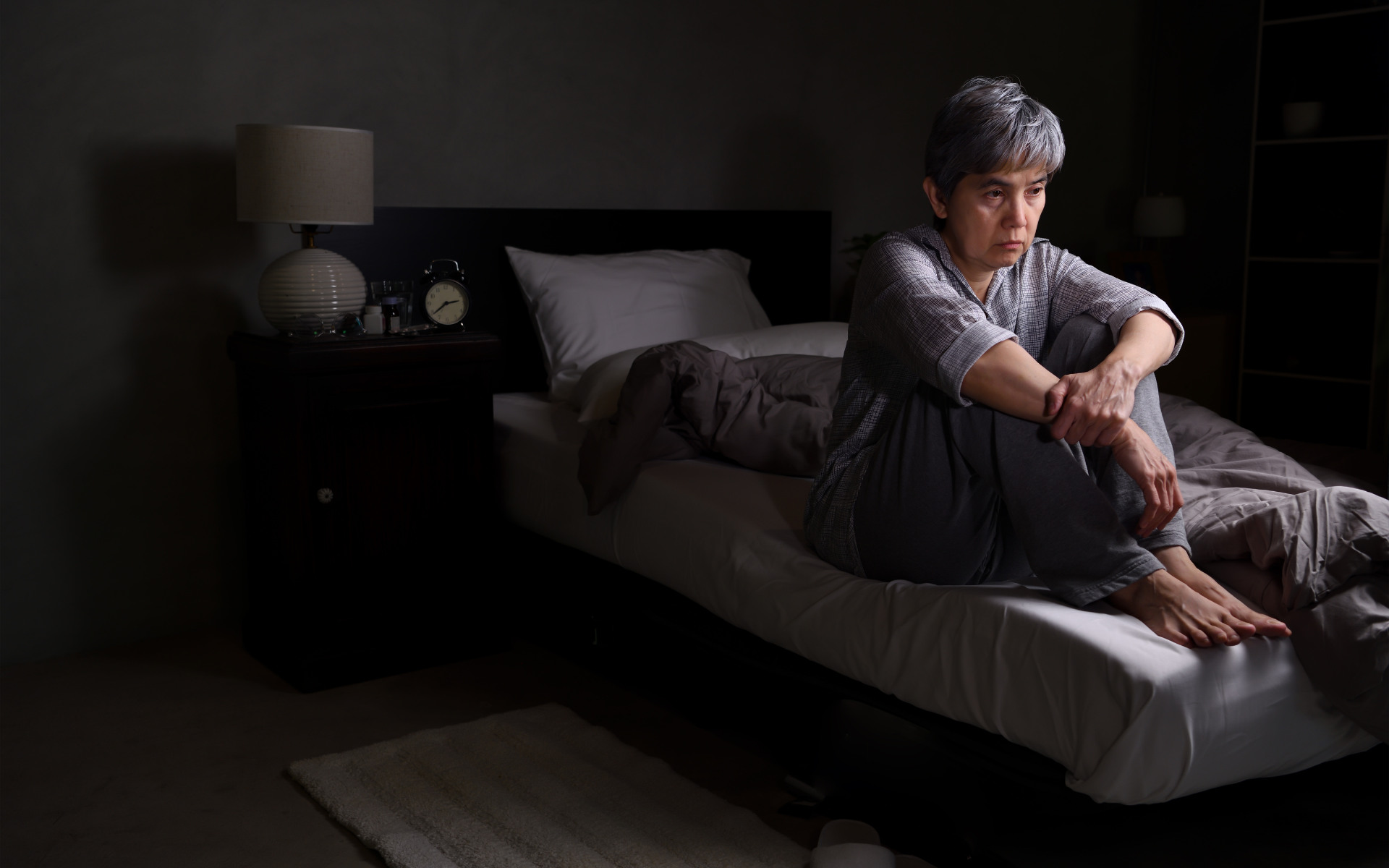
As our loved ones age, it’s common for them to experience feelings of depression and anxiety. These conditions can be triggered by a variety of factors, including physical and cognitive changes, social isolation, and the loss of loved ones. As caregivers, it’s important to understand how depression and anxiety can impact our aging parents and to take steps to help them manage these conditions.
In this guide, we’ll discuss the signs and symptoms of depression and anxiety in aging parents, as well as strategies for addressing these conditions and promoting mental health.
Understanding Depression in Aging Parents
Depression is a common condition among older adults, affecting approximately 7 million Americans over the age of 65. Unfortunately, depression often goes undiagnosed and untreated in older adults, as the symptoms may be mistaken for “normal” aging or other medical conditions.
Symptoms of depression in aging parents may include:
- Persistent sadness or feelings of hopelessness
- Loss of interest in activities they once enjoyed
- Changes in appetite or weight
- Insomnia or excessive sleeping
- Fatigue or loss of energy
- Feelings of worthlessness or guilt
- Difficulty concentrating or making decisions
- Thoughts of death or suicide
If you notice any of these symptoms in your aging parent, it’s important to speak with their healthcare provider to rule out any underlying medical conditions and to discuss treatment options.
Treating Depression in Aging Parents
Treatment for depression in aging parents may include a combination of medication, psychotherapy, and lifestyle changes. Antidepressant medications can be effective in treating depression, but may have side effects that can be particularly concerning for older adults. Psychotherapy, including cognitive-behavioral therapy and interpersonal therapy, can also be effective in treating depression in older adults.
In addition to medical treatment, there are several lifestyle changes that caregivers can encourage to help manage depression in aging parents. These may include:
- Encouraging regular exercise and physical activity
- Promoting healthy eating habits and ensuring that the aging parent is getting adequate nutrition
- Encouraging social activities and opportunities to connect with others
- Providing opportunities for mental stimulation, such as reading, puzzles, or games
- Encouraging the aging parent to get involved in meaningful activities, such as volunteer work or hobbies
- Promoting good sleep hygiene and ensuring that the aging parent is getting adequate rest
Understanding Anxiety in Aging Parents
Anxiety is another common condition among older adults, affecting approximately 20% of adults over the age of 65. Anxiety can be triggered by a variety of factors, including chronic illness, physical limitations, and the loss of independence.
Symptoms of anxiety in aging parents may include:
- Excessive worry or fear
- Difficulty concentrating
- Restlessness or irritability
- Sleep disturbances
- Muscle tension or aches
- Difficulty breathing or shortness of breath
- Sweating or trembling
- Panic attacks
If you notice any of these symptoms in your aging parent, it’s important to speak with their healthcare provider to rule out any underlying medical conditions and to discuss treatment options.
Treating Anxiety in Aging Parents
Treatment for anxiety in aging parents may include a combination of medication, psychotherapy, and lifestyle changes. Antianxiety medications can be effective in treating anxiety, but may have side effects that can be particularly concerning for older adults. Psychotherapy, including cognitive-behavioral therapy and exposure therapy, can also be effective in treating anxiety in older adults.
In addition to medical treatment, there are several lifestyle changes that caregivers can encourage to help manage anxiety in aging parents. These may include:
- Encouraging regular exercise and physical activity
- Promoting relaxation techniques, such as deep breathing, meditation, or yoga
- Encouraging social activities and opportunities to connect with others
- Providing opportunities for mental stimulation, such as reading, puzzles, or games
- Ensuring that the aging parent is getting adequate rest and sleep
- Promoting healthy eating habits and ensuring that the aging parent is getting adequate nutrition
- Encouraging the aging parent to engage in hobbies or activities they enjoy
- Helping the aging parent to establish a sense of purpose or meaning in their life
- It’s important to note that depression and anxiety can be interconnected, and older adults may experience symptoms of both conditions. In some cases, treating one condition may improve symptoms of the other.
Tips for Caregivers
Caring for an aging parent with depression or anxiety can be challenging, but there are steps that caregivers can take to provide support and promote mental health. - Educate yourself. Learn about the signs and symptoms of depression and anxiety in older adults, as well as treatment options and lifestyle changes that can help manage these conditions.
- Encourage open communication. Encourage your aging parent to talk about their feelings and concerns. Be a good listener and provide emotional support.
- Promote physical activity. Encourage your aging parent to engage in regular physical activity, such as walking or yoga. Exercise can improve mood and reduce symptoms of depression and anxiety.
- Provide opportunities for socialization. Loneliness and social isolation can contribute to depression and anxiety in older adults. Help your aging parent to connect with friends, family members, or community groups.
- Seek professional help. If your aging parent is experiencing symptoms of depression or anxiety, encourage them to speak with their healthcare provider. A mental health professional may also be able to provide additional support and treatment options.
- Take care of yourself. Caring for an aging parent with depression or anxiety can be emotionally taxing. It’s important to take care of your own mental and physical health by seeking support from friends, family members, or a therapist.
Conclusion
Depression and anxiety are common conditions among older adults, but they can be effectively managed with proper treatment and lifestyle changes. As caregivers, it’s important to understand the signs and symptoms of these conditions and to take steps to promote mental health in our aging parents. By educating ourselves, encouraging open communication, and promoting physical activity and socialization, we can help our loved ones to live happier, healthier lives in their golden years.
Leave a Reply