
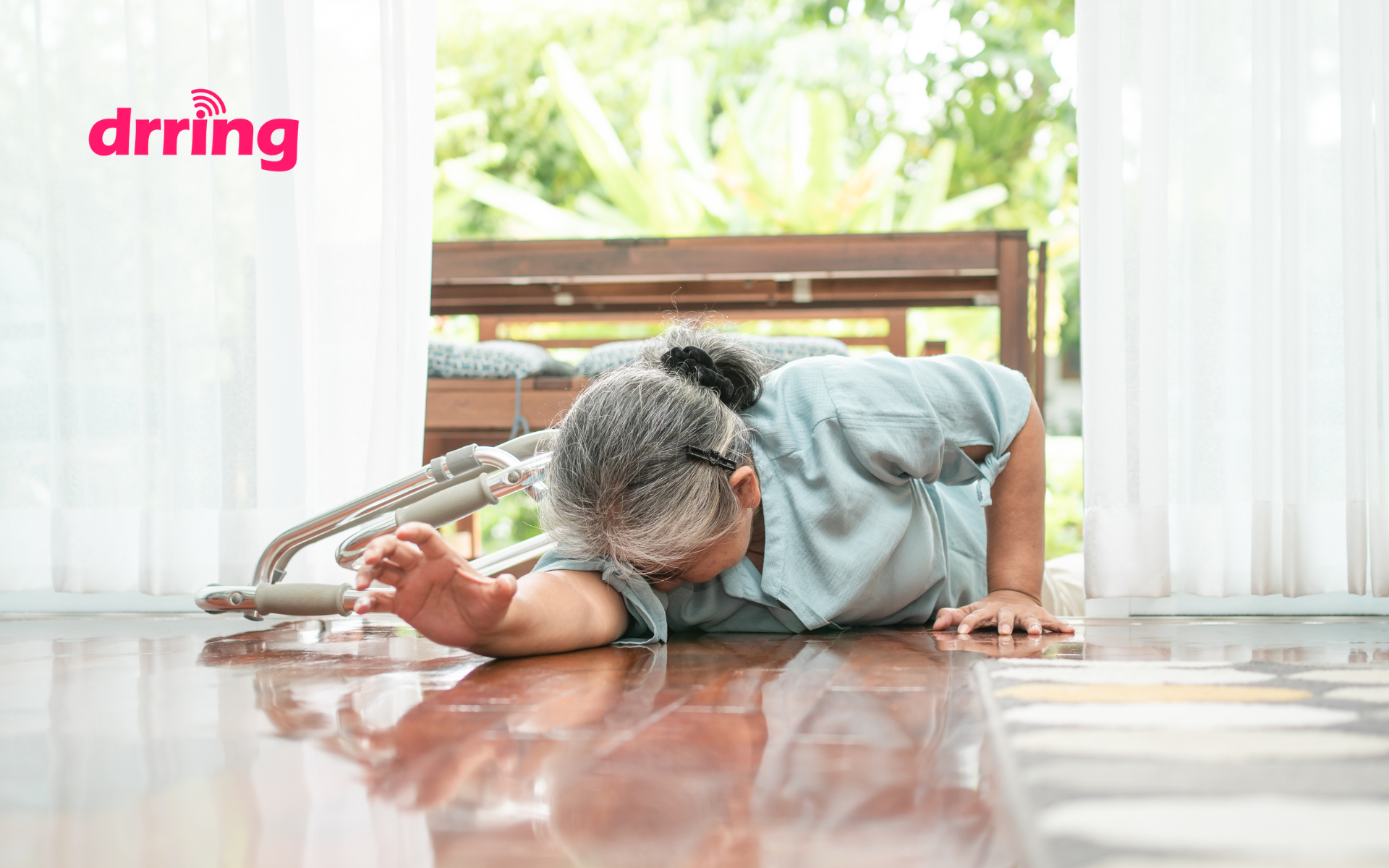
Falls are a significant concern for seniors, as they can lead to severe injuries and a decline in independence. However, with the right knowledge and preventative measures, falls can often be prevented. In this blog post, we will explore fall prevention strategies for seniors, offering practical tips and techniques to enhance safety and reduce the risk of falls.
- Create a Safe Living Environment:
Ensuring a safe living environment is crucial for fall prevention. Here are some key considerations:
- Remove tripping hazards: Clear pathways of clutter, loose rugs, or cables that may pose a tripping hazard.
- Adequate lighting: Install bright lighting throughout the home, especially in hallways, stairways, and entrances, to improve visibility and reduce the risk of falls.
- Secure handrails and grab bars: Install handrails along staircases and grab bars in bathrooms to provide stability and support.
- Maintain Strength and Balance:
Maintaining strength and balance is essential for stability and fall prevention. Consider the following:
- Exercise regularly: Engage in exercises that focus on strength, balance, and flexibility, such as walking, tai chi, yoga, or gentle weight training.
- Consult a healthcare professional: Seek guidance from a healthcare provider or a physical therapist for exercises tailored to your specific needs and abilities.
- Use assistive devices: Utilize assistive devices like canes or walkers if necessary, and ensure they are properly fitted and in good condition.
- Medication Management:
Certain medications can increase the risk of falls. Take the following steps to manage medications effectively:
- Review medications with a healthcare provider: Regularly review medications to identify potential side effects or interactions that may affect balance or cognition.
- Follow prescribed guidelines: Take medications as prescribed and avoid skipping doses. If side effects are experienced, consult with a healthcare provider for alternative options.
- Wear Appropriate Footwear:
Choosing appropriate footwear plays a significant role in fall prevention. Consider these footwear tips:
- Wear well-fitting shoes with non-slip soles: Opt for shoes that provide proper support, have a firm grip on different surfaces, and avoid high heels or shoes with slippery soles.
- Consider non-skid socks or slippers: When indoors, non-skid socks or slippers with rubber soles can provide better traction and reduce the risk of slips.
- Stay Mindful and Alert:
Being mindful and alert in daily activities can help prevent falls. Here’s what you can do:
- Take your time: Avoid rushing through tasks and allow yourself enough time to complete activities safely.
- Be cautious with transitions: When transitioning from sitting to standing or changing positions, do so slowly to avoid dizziness or imbalance.
- Stay hydrated: Dehydration can contribute to dizziness and fainting. Ensure you drink enough fluids throughout the day.
Conclusion: Preventing falls is crucial for the safety and well-being of seniors. By implementing these fall prevention strategies, such as creating a safe living environment, maintaining strength and balance, managing medications, wearing appropriate footwear, and staying mindful and alert, seniors can significantly reduce their risk of falls and maintain their independence. Remember, it’s never too late to start incorporating these strategies into your daily routine to enhance safety and enjoy a better quality of life.
Leave a Reply